Short answer: Web design decides how your Kollam business looks, feels, and guides people through decisions. Web development makes that experience work in real browsers, devices, CMS tools, and integrations. You need both — preferably as one accountable team — or you pay for the gap between a pretty picture and a site that converts.
Why Kollam Businesses Confuse Design and Development
WhatsApp vendors sell “website” as a single blurry word. Founders receive a homepage image, assume the job is done, then discover forms fail on Android, WhatsApp links are missing, or editors cannot update offers. Macaw Bytes hears this story often because design and development were treated as interchangeable — or as hostile camps.
Clarity saves money. This guide defines roles, deliverables, handoffs, and hiring questions so your next project does not fund two rounds of blame.
What Web Design Includes
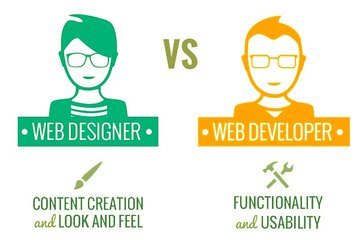
Design covers information architecture, wireframes, visual UI, interaction intent, content hierarchy, and the emotional tone of the brand online. It answers: What pages exist? What does a visitor see first on mobile? Which action is primary? How do we show proof without clutter?
- Sitemap / IA aligned to services you actually sell
- Wireframes for key templates (home, service, contact, maybe blog)
- UI mockups with typography, colour, components
- Mobile and desktop considerations — not desktop-only art
- Guidance for forms, empty states, and error messaging intent
Explore our website design and UI/UX design services when you need this layer done properly.
What Web Development Includes
Development implements the experience: semantic HTML/CSS/JS or CMS themes, performance, security basics, forms, CMS fields, integrations (WhatsApp, payments, CRM), and environments (staging/production). It answers: Does it work? Can staff edit safely? Will it stay fast after content updates?
- Front-end implementation matching agreed design
- CMS or custom application logic as scoped
- Responsive behaviour across real devices
- Analytics events and SEO technical foundations
- Launch checklist: redirects, HTTPS, backups, access handoff
See website development and, when relevant, WordPress development for how we engineer maintainable builds.
How the Two Collaborate in a Healthy Project
Discovery feeds both. Design explores journeys; development flags constraints early (performance budgets, CMS limits, integration realities). Handoff includes components and states, not a single JPEG. QA checks visual fidelity and functional truth. Iteration uses data after launch.
- Shared goals: enquiries, not “wow factor” alone
- Design proposes; development stress-tests feasibility
- Build on staging with real content samples
- Joint QA on mobile WhatsApp/call/form paths
- Care plan so neither design nor code decays
Macaw Bytes runs this as one delivery stream from Kollam — see our process — so you are not refereeing freelancers.
Table: Design vs Development Responsibilities
| Topic | Design leads | Development leads |
|---|---|---|
| Page structure | IA, hierarchy, UX flows | Templates, routing, CMS models |
| Look and feel | Visual system, brand expression | CSS/implementation fidelity |
| Forms | Field strategy, microcopy intent | Validation, spam protection, delivery |
| Speed | Asset choices, motion limits | Optimisation, caching, code weight |
| SEO | Content structure, clarity | Technical SEO, schema, performance |
Budget Myths That Hurt Kollam Projects
Spending almost everything on development and almost nothing on UX produces working confusion. Spending everything on visuals with a rushed build produces fragile pretty. Balanced funding reduces change orders. Ask vendors to show both line items.
Compare approaches using transparent conversations about pricing and scope. Package posts that ignore design/development split are a warning sign.
Hiring: One Team vs Separate Vendors
Separate vendors can work with a strong PM and written handoff standards. Many SMEs lack that PM. Integrated agencies reduce coordination tax. If you split, demand shared milestones, tool access, and acceptance criteria.
Questions to ask either model:
- Who owns mobile CTA behaviour?
- How many design revision rounds are included?
- Will we get design source files and code repos?
- How is content entry trained?
- What does post-launch care include?
Examples: When Design Is the Bottleneck vs Development
Design bottleneck: traffic exists, bounce is high, users cannot find WhatsApp, offers are unclear, brand feels inconsistent with social. Fix IA and UI hierarchy before buying more ads.
Development bottleneck: design is clear but forms fail, pages are slow, CMS cannot update prices, integrations break, staging does not exist. Fix engineering and hosting before another mockup round.
Misdiagnosing the bottleneck wastes quarters. Macaw Bytes audits both lenses.
Content’s Role Between Design and Development
Design without real content lies. Development without structured content models frustrates editors. Provide service copy, FAQs, and proof early. Use the blog strategically once templates exist — do not invent a new layout per article.
UX writing sits with design intent; implementation of fields and sanitisation sits with development. Both own clarity.
Brand Identity Versus UI Design
Logo and brand colours are not a website. Brand identity systems inform UI; UI adapts brand to interactive constraints. If your logo fights mobile headers, designers and developers negotiate — not the customer. Strengthen foundations with brand identity design when social and site feel like different companies.
Ecommerce and Specialty Builds
Design for catalogue browse and checkout differs from service enquire UX. Development must implement filters, payments, and stock rules correctly. Whether Shopify or WooCommerce, the design/development partnership still decides conversion. Do not buy a theme and skip UX thinking.
Accessibility and Performance: Shared Ownership
Designers specify contrast and focus intent; developers implement and test. Designers avoid megabyte heroes; developers enforce budgets. Shared checklists beat finger-pointing after a bad Lighthouse score.
Red Flags in Proposals
- “Design free if you take development” with no UX artefacts listed
- No mobile mockups or wireframes
- No staging environment mentioned
- Ownership of assets unclear
- Unlimited revisions without criteria (or zero revisions)
- SEO promised as magic without content/IA work
Walk away or renegotiate. Your Kollam business deserves clearer craft.
A Simple RACI for Small Teams
Business owner: goals, offers, approvals. Designer: IA/UI. Developer: implementation/integrations. Content owner: copy/proof. Agency lead: timeline and quality bar. Even if one person wears two hats, name the hats so nothing is assumed.
After Launch: Who Maintains What
Visual refreshes and conversion tweaks often start in design; CMS updates, plugin care, and security sit in development/maintenance. Buy a maintenance plan that acknowledges both. Orphaned sites decay on both axes.
How Macaw Bytes Explains This to Clients
We show wireframes before polish when journeys are unclear, then UI, then build. Stakeholders see progress without confusing a colour tweak for a finished product. That education is part of delivery culture from our Kollam studio.
Wireframes Versus High-Fidelity Mockups — When Each Matters
Wireframes settle structure and journey early without colour debates. High-fidelity mockups settle brand expression once structure is agreed. Skipping wireframes often forces expensive visual revisions that were actually structural problems. For Kollam SMEs with limited revision budgets, sequence matters.
Development should review wireframes for CMS feasibility before polish. A beautiful card grid that cannot be edited safely is a future support ticket pile.
Design Systems Lite for Small Businesses
You do not need a 200-component enterprise library. You do need consistent buttons, type scale, spacing, and form styles. Designers define them; developers implement tokens or reusable classes. This lite system keeps landing pages coherent when campaigns multiply.
Without it, every festival page invents a new button. Brand trust erodes quietly.
Content Model as the Bridge
Designers think in sections; developers think in fields and templates. The content model is the treaty: which headings are required, which images have size rules, which CTAs are modular. Workshops that skip content modelling create sites that look good with lorem ipsum and break with real Malayalam service names.
Bring real copy to design reviews. Insist on it.
Tools and Handoff Formats
Figma (or similar) specs, asset exports, and component notes reduce ambiguity. Developers should not guess corner radius from a flattened PNG. Equally, designers should not assume infinite animation budgets. Agree tools in the SOW so file access survives staff changes.
Ownership of design files belongs with the business, same as code repositories.
QA Matrix That Includes Both Disciplines
- Visual QA: spacing, type, image crop, brand compliance
- Functional QA: links, forms, WhatsApp, payments
- Content QA: typos, outdated offers, alt text
- Device QA: Android sizes common locally
- SEO smoke QA: titles, headings, indexability
Split the matrix across design and development leads. Sign off together before go-live.
Change Requests: Classifying Design vs Development Work
“Make the button greener” is design-led. “Form emails are not arriving” is development-led. “Add a new service page like the others” is usually both: design template reuse plus development/content entry. Classifying requests prevents arguments about whether a change is “included.”
Good project managers translate client language into the right queue quickly. Macaw Bytes builds that translation into account management.
Education for Non-Technical Founders
Show side-by-side: mockup versus staging page, explaining what remains. Founders who understand the difference approve faster and panic less. A ten-minute explainer at kickoff saves weeks of misaligned expectations.
Use this article as pre-reading before contracts. Shared vocabulary is a project accelerator.
When to Reopen Design After Development Starts
Legitimate triggers: accessibility fail, performance budget break, legal claim changes, major offer pivot. Illegitimate triggers: subjective fatigue after approving mockups. Protect the timeline by writing approval gates. Unlimited reopenings destroy margins and morale — and delay your Kollam launch.
Discipline serves the business. It is not agency stubbornness.
Summary for Hiring Decisions
If a vendor cannot explain design versus development deliverables, they may deliver neither well. Look for artefacts, milestones, and dual QA. Integrated teams reduce risk for SMEs. Split teams need strong management. Choose deliberately.
Portfolio Evaluation Tips for Kollam Buyers
When reviewing agency work, ask which parts were design-led versus development-led. Click through on mobile. Submit a test form if appropriate. A portfolio of static images cannot prove development quality; a live URL can. Demand both aesthetic taste and engineering evidence.
Watch for identical templates sold as custom design. Template starts are fine when disclosed and adapted; deception is not.
Sprint Rhythms That Keep Both Crafts Aligned
Short cycles — discover, design critical templates, build, QA, release — beat month-long silence. Intermediate reviews catch mismatches early. Kollam SMEs with busy owners benefit from scheduled 20-minute check-ins more than endless async WhatsApp threads.
Macaw Bytes uses visible milestones so design and development progress stay synchronised and understandable.
Glossary for Stakeholder Meetings
- IA: information architecture — page structure
- Wireframe: structural sketch without final visuals
- UI kit: reusable visual components
- Staging: private pre-production site
- CMS: system editors use to update content
- Regression: something that broke after a change
Shared glossary shortens meetings and reduces accidental scope fights between “design” and “development” labels.
Freelance vs Agency Trade-Offs for Each Craft
A strong freelance designer plus a strong freelance developer can work with a client-side coordinator. Without that coordinator, an integrated agency usually wins on schedule and accountability. Price the coordination time honestly either way.
For Kollam SMEs without a digital PM, Macaw Bytes’ combined model reduces the referee role founders dislike.
Acceptance Criteria Examples
- Design accepted when mobile home and service templates match agreed IA and CTA hierarchy
- Development accepted when forms deliver, WhatsApp links work, and Core targets on staging pass spot checks
- Content accepted when real copy replaces placeholders on priority pages
Criteria turn vague “done” into shippable truth.
Motion and Micro-Interactions: Who Owns Them?
Subtle hover states and loading feedback sit between design and development. Designers specify intent and limits; developers implement with performance in mind. Autoplay video heroes usually fail that partnership test on mobile Kerala networks.
Agree early: motion should clarify hierarchy, not entertain endlessly. If a micro-interaction delays tap response, cut it. Shared ownership prevents “the designer insisted” versus “the developer refused” loops after launch.
Document motion rules in the UI kit so campaign pages do not reinvent chaotic animations every festival season.
When design and development share goals, artefacts, and QA, Kollam businesses stop paying twice for miscommunication and start shipping mobile sites that convert with clear WhatsApp and call paths.
Review related guides on the blog, compare pricing options, and contact Macaw Bytes when you want implementation support from Kollam.
Next Step
If your last project blurred design and development until nobody owned outcomes, let’s reset. Book a free consultation with Macaw Bytes. Bring your current site and goals — we will map which gaps are design, which are development, and how to fix them in one plan.
Quick Answers
Short answers drawn from this article.
01 Is web design the same as web development?
No. Design defines structure, visuals, and interaction intent. Development implements that intent in code, CMS, and integrations so the site works in real browsers and devices.
02 Can one person do both design and development?
Sometimes for small sites. For conversion-critical or branded projects, specialised collaboration usually produces clearer UX and cleaner engineering.
03 What should I receive from the design phase?
Agreed sitemap or IA, key page wireframes or mockups, component guidance, and mobile states for primary journeys, not only a desktop homepage JPEG.
04 Why do projects fail when design and development are siloed?
Designs ignore technical constraints; code ignores UX intent. You pay for rework. Integrated teams prevent that gap.
05 How does Macaw Bytes handle design and development?
We run discovery, UX/UI, and engineering as one delivery stream with shared milestones, so Kollam clients get one accountable partner, not two vendors blaming each other.